When should winter preparation be done?
In the dry season, before the first sustained storm. Work done before the rain is maintenance; the same work done during a storm is emergency response, done wet and under time pressure.
Winter-rain preparation for a Westchester roof: valleys, flashing, sealants, gutters, and debris — before the first sustained storm. No freeze, snow, or ice-dam advice, because those are not Westchester conditions.
By Wrench Pulse Roofers · Roofing guides · Published · Last updated
Westchester winter preparation is winter-rain preparation. Almost all of the area's rain falls in the mild winter months after a dry summer, so the programme is: clear valleys and gutters of dry-season debris, renew sealants that cracked over the summer, check flashing at valleys, chimneys, walls, and skylights, confirm downspouts discharge clear of foundations, and check flat sections and drains. There is no freeze, snow, or ice-dam preparation on this page, because those are not Westchester conditions — a national winter checklist that includes them does not belong here. Related: roof maintenance, gutter cleaning, and roof tune-up.
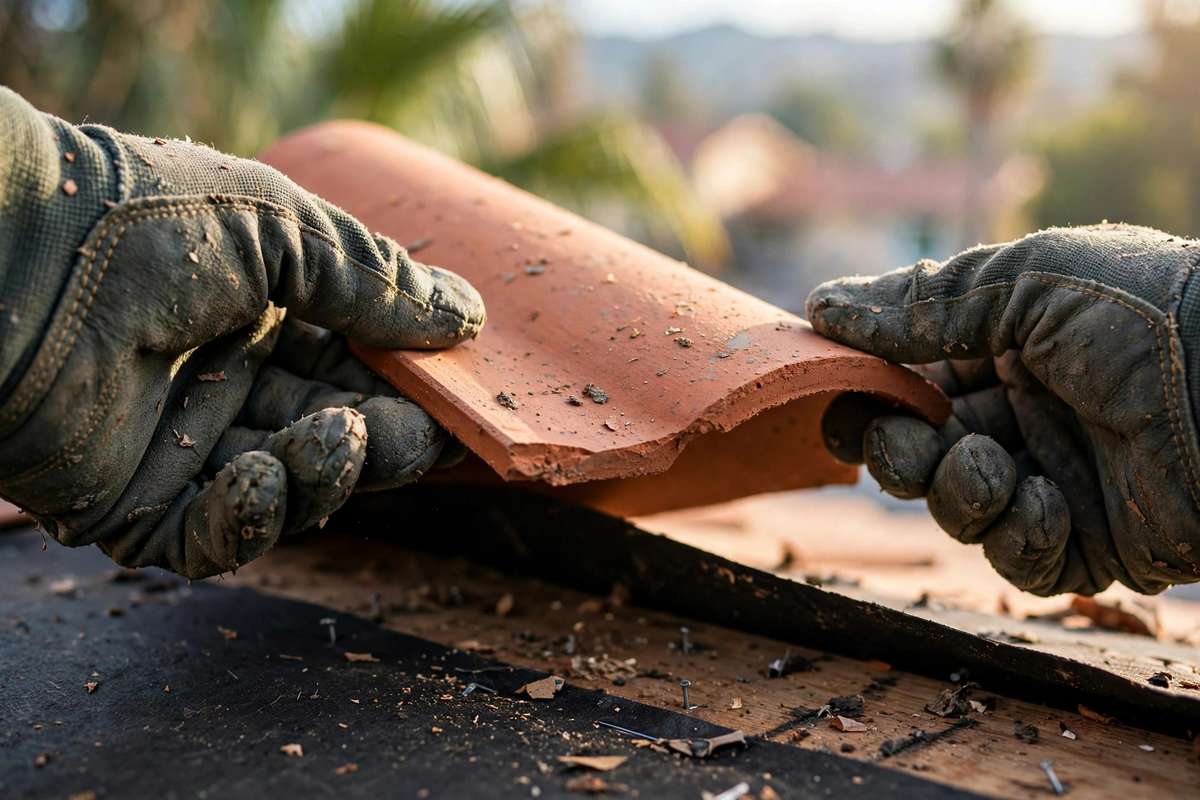
Winter-rain preparation in Westchester starts with a fact about the local calendar: almost all of the area’s rain falls in the mild winter months, after a dry summer. That sequence is what damages roofs here. Sealants crack and harden through the dry months, boots stiffen, debris settles in valleys and gutters, and flashing shifts almost imperceptibly — and none of it matters until the first sustained storm pushes water through every gap the summer opened. Preparation is therefore summer-damage repair done before the rain, not storm response after it.
The programme follows the water. Valleys and gutters are cleared of dry-season debris first, because a blocked valley dams water exactly where two roof planes meet. Flashing is checked at every junction — valleys, chimneys, walls, skylights — and sealants that cracked over the summer are renewed rather than layered over. Downspouts are confirmed to discharge clear of foundations, and flat sections and drains are checked, because a flat section that cannot drain will fail at its lowest point regardless of membrane condition. Each step is small; together they are the difference between a roof that sheds the first storm and one that leaks through it.
A national winter checklist does not belong here, and the difference is worth stating plainly. Freeze, snow, and ice-dam preparation are not Westchester conditions: the winters are mild, the rain is the hazard, and a checklist built around frozen gutters and ice dams misdirects attention from the real work — sealants, flashing, valleys, and drainage. A homeowner who follows a national list may spend a weekend on problems this climate does not have while leaving the valley debris that will cause the first leak untouched.
The timing follows the same logic. Preparation done in the dry season, before the first sustained storm, is maintenance; the same work done during a storm is emergency response, done wet, at height, and under time pressure. The checklist on this site — valleys, gutters, flashing, sealants, downspouts, flat-section drains — is written to be done once, in the dry months, so that the winter rains test a roof that is ready for them.
In the dry season, before the first sustained storm. Work done before the rain is maintenance; the same work done during a storm is emergency response, done wet and under time pressure.
No. Westchester winters are mild and the hazard is rain, not freeze, snow, or ice dams. A national checklist built around frozen gutters misdirects attention from the real work: sealants, flashing, valleys, gutters, and drainage.
Contact Wrench Pulse Roofers · Call (213) 301-0900 · Open 24 hours, 7 days a week. Google Maps profile.